
 By Bapi Mondal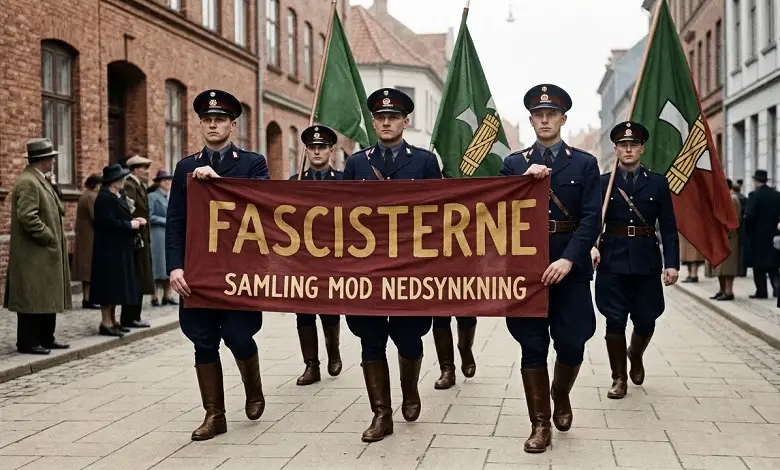
Fascisterne, or the fascists were members and supporters of political movements built on extreme nationalism, authoritarian rule, and the belief that the state should have complete control over society. The word is often connected with some of the darkest chapters of the twentieth century. Fascist movements emerged during periods of fear, economic hardship, and political instability, promising stability and strength. In reality, they often brought violence, oppression, and war.
Understanding fascisterne is important because its ideas changed the world in dramatic ways. Their actions led to the collapse of democratic governments, the spread of dictatorship, and millions of deaths during the Second World War. Even today, historians, teachers, and political leaders continue to study fascism so that future generations can recognize and resist similar ideas.
The term fascisterne comes from the Danish word for fascists. Fascists were followers of fascism, a political ideology that first appeared in Europe after the First World War. Fascism rejected democracy, individual freedom, and political equality. Instead, it supported a strong leader, a single ruling party, and the idea that the needs of the nation were more important than the rights of individuals.
Fascist movements believed that society worked best when everyone obeyed the state. They often claimed that their country had been weakened by political divisions, foreign influence, or economic problems. To solve these issues, fascists promised unity, discipline, and national pride.
Although fascist movements were different from one country to another, they usually shared several key beliefs:
- Strong nationalism
- Loyalty to one leader
- Opposition to democracy
- Control of the media and education
- Use of violence against opponents
- Glorification of military power
- Hatred of groups seen as enemies
These ideas made fascism very dangerous, especially when combined with propaganda and fear.
Fascism began in Europe in the years after the First World War. The war had left many countries poor, divided, and uncertain about the future. Millions of people had lost their jobs, governments were weak, and many citizens felt disappointed by their leaders.
In this environment, fascist groups gained support. They promised to restore national pride and make their countries strong again. Many people, especially those who were jobless or afraid of political change, were attract to these promises.
The first major fascist movement appeared in Italy. After the war, Italy faced high unemployment, inflation, and political violence. Many Italians believed that the country had been treated unfairly after the war and that the government was unable to solve its problems.
A political leader named Benito Mussolini used this frustration to build a fascist movement. He created groups known as the Blackshirts, who used violence to attack political opponents. Mussolini promised to make Italy powerful and united again. In 1922, he came to power and created the world’s first fascist government.
Italy became the first country ruled by fascisterne. Mussolini quickly ended democratic institutions and made himself dictator. Political parties were banned, newspapers were controlled, and people who criticized the government could be arrested.
Under fascist rule, the government controlled many parts of daily life. Schools taught children to obey the state and admire the leader. Workers and employers were placed into state-controlled organizations. Public events, posters, and speeches constantly repeated the message that the nation was more important than the individual.
Mussolini also wanted to expand Italy’s power. He believed that military conquest would make the country stronger. In the 1930s, Italy invaded other countries and joined alliances with other authoritarian governments.
At first, some people admired Mussolini because he seemed to bring stability. However, the reality was very different. Freedom disappeared, fear increased, and Italy eventually became involved in a destructive world war.
The most famous and destructive example of fascism appeared in Germany. After the First World War, Germany faced deep economic problems and political unrest. The country was also angry about the harsh conditions imposed after the war.
During the 1920s and 1930s, a political movement led by Adolf Hitler gained support. Hitler and his followers promised to rebuild Germany, create jobs, and restore national pride. Like other fascists, they used powerful speeches, propaganda, and violence.
Hitler blamed Germany’s problems on certain groups of people, especially Jews. He spread racist ideas and claimed that some groups were superior to others. These beliefs became a central part of German fascism.
When Hitler came to power in 1933, he quickly destroyed democracy. Political opponents were arrested, newspapers were censored, and the government gained complete control over society. Hitler’s regime used propaganda on a massive scale. Radio, film, education, and public rallies were all used to spread the government’s message.
The German fascists also created secret police forces and concentration camps. Millions of people were imprisoned, tortured, or killed because of their religion, ethnicity, political beliefs, or other characteristics.
The most terrible result was the Holocaust, in which six million Jews and millions of other people were murdered. This was one of the greatest crimes in human history.
It is easy to wonder why so many people supported fascisterne. The answer is complicated. Fascism became popular because it offered simple answers during difficult times.
Many people in Europe were suffering from:
| Problem | How Fascisterne Responded |
| Economic crisis | Promised jobs and stability |
| Weak governments | Promised strong leadership |
| Fear of change | Promised order and tradition |
| National humiliation | Promised pride and greatness |
| Political conflict | Promised unity under one party |
These promises attracted people who felt desperate or afraid. Fascist leaders often appeared confident and powerful. They used emotional speeches and large public events to make supporters feel connected to something bigger than themselves.
Propaganda also played a huge role. Fascisterne used newspapers, posters, radio, and films to control what people saw and heard. They repeated the same messages again and again until many people accepted them as the truth.
Another reason for their success was fear. In many countries, people are worried about economic collapse or political revolution. Fascist leaders used these fears to gain support. They claimed that only they could save the nation.
Propaganda was one of the most important tools used by fascisterne. Propaganda means information designed to influence people’s opinions. Fascist governments used it everywhere.
Children learned fascist ideas in school. Teachers were expected to support the government. Books and newspapers that criticized the state were removed. Public spaces were filled with flags, symbols, and images of the leader.
Fascist propaganda often followed the same pattern:
- Present the leader as strong and heroic
- Describe the nation as being under threat
- Blame certain groups for the country’s problems
- Promise a better future through unity and obedience
This constant message made it difficult for people to think independently. Those who disagreed were often punished or silenced.
Fascisterne did not rely only on words. They also used violence. Fascist groups often attacked political opponents, journalists, labour unions, and minority communities.
In Italy, the Blackshirts beat and threatened anyone who resisted the government. In Germany, the Nazi Party used armed groups to spread fear. Secret police watched citizens and arrested anyone who was seen as an enemy.
Violence helped fascisterne stay in power. Many people were too frightened to speak out. Others supported the government because they believed it would protect them.
The use of fear created a society where freedom disappeared. People could no longer trust their neighbours or express their opinions openly.
The actions of fascisterne eventually led to the Second World War. Fascist leaders believed that their nations should become stronger through conquest. They wanted more land, more resources, and more power.
Germany invaded neighbouring countries, while Italy also expanded into other regions. These aggressive actions caused a global conflict that lasted from 1939 to 1945.
The war became the deadliest conflict in history. Tens of millions of people died. Entire cities were destroyed. Families were separated, and countless people suffered.
| Major Impact of Fascisterne During the War | Result |
| Invasion of other countries | Start of the Second World War |
| Racist ideology | Holocaust and mass murder |
| Military expansion | Millions of deaths |
| Destruction of democracy | Spread of dictatorship |
| Use of propaganda and fear | Loss of freedom |
By the end of the war, fascist governments in Germany and Italy had collapsed. Their leaders were remove, and much of Europe was left in ruins.
The defeat of fascist governments came after years of war and destruction. As the war continued, many people began to see the true cost of fascism. Cities were destroyed, economies collapsed, and millions of lives were lost.
In Italy, Mussolini lost support and was removed from power in 1943. In Germany, Hitler’s government ended in 1945 as Allied forces defeated the country.
After the war, many countries worked to rebuild democracy. New laws were created to protect human rights and prevent dictatorships from returning. International organizations were also formed to promote peace and cooperation.
The world learned that fascism could not bring lasting strength or stability. Instead, it led to suffering and destruction.
The impact of fascisterne can still be seen today. The Second World War changed the political map of the world. Countries created new alliances, and international institutions were formed to prevent future conflicts.
The horrors caused by fascist governments also led to stronger ideas about human rights. Many countries adopted laws that protect freedom of speech, religion, and political choice.
The memory of fascism also changed education. Schools around the world teach students about the dangers of dictatorship, racism, and propaganda. Museums, memorials, and history books continue to remind people of what happened.
At the same time, historians warn that fascist ideas can return when people feel angry, afraid, or divided. Extreme nationalism, hate speech, and attacks on democracy are still problems in some places.
Because of this, understanding fascisterne is not only about the past. It is also about protecting the future.
Studying fascisterne teaches several important lessons:
- Democracy is fragile and must be protected.
- Propaganda can influence people if they do not question what they hear.
- Fear and anger can make dangerous ideas seem attractive.
- Racism and hatred can lead to terrible crimes.
- Strong leaders should always be held accountable.
Citizens have an important role in defending freedom. Voting, education, independent journalism, and open discussion help prevent the return of authoritarian ideas.
People should also learn to recognize warning signs, such as:
- Leaders who attack the media
- Attempts to silence opponents
- Blaming minority groups for national problems
- Calls for unlimited power
- Rejection of democratic rules
When these warning signs appear, it is important to speak out before it is too late.
Fascisterne played a major role in shaping modern history. They rose during times of crisis by promising strength, order, and national pride. However, behind these promises were violence, fear, dictatorship, and war.
The rise of fascism in Italy and Germany led to the destruction of democracy and the deaths of millions of people. The Second World War and the Holocaust remain lasting reminders of what can happen when hatred and authoritarianism are allowed to grow.
By understanding fascisterne and its impact on history, people can better protect freedom and democracy in the future. Remembering the mistakes of the past is one of the best ways to build a safer and more just world.