
 By Bapi Mondal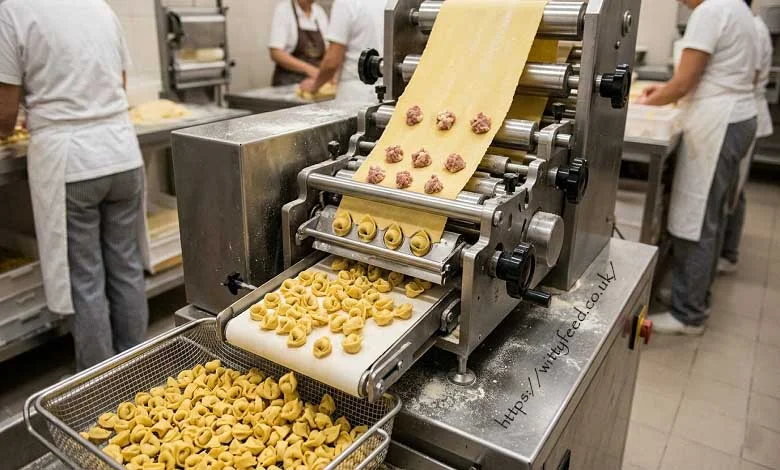
Few foods represent Italian comfort and tradition better than tortellini. These tiny ring-shaped pasta pockets are famous for their rich fillings, delicate dough, and centuries-old history. Traditionally, making tortellini by hand requires patience, skill, and numerous hours of meticulous work. Every piece must be cut, filled, folded, and shaped by hand.
That is where the tortellinatrice comes in.
A tortellinatrice is a special machine designed to make tortellini quickly and consistently. In Italy, it has become an important tool in pasta shops, restaurants, and factories. It helps preserve the traditional shape and quality of tortellini while reducing the time and effort needed to produce it.
Whether you are a restaurant owner, a pasta lover, or simply curious about Italian food technology, this guide will explain everything you need to know about the tortellinatrice.
The word tortellinatrice comes from the Italian word “tortellini.” It literally means a machine that creates tortellini.
A tortellinatrice is designed to:
- Roll and prepare pasta dough
- Add filling to the dough
- Fold the dough into the classic tortellini shape
- Cut the finished tortellini into equal sizes
Instead of making every piece by hand, the machine automates the process. Depending on the model, a tortellinatrice can produce anywhere from a few dozen to several thousand tortellini every hour.
Some machines are small and designed for home kitchens or small restaurants. Others are large industrial systems used in commercial pasta factories.
Tortellini have deep roots in Italian culture, especially in the regions of Emilia-Romagna and Bologna. According to tradition, tortellini were originally handmade by Italian grandmothers and pasta makers.
For centuries, families gathered around the kitchen table to prepare the dough and filling together. Making tortellini was often a holiday tradition, especially for Christmas and special celebrations.
However, as restaurants and food businesses grew, hand-making tortellini became too slow and expensive. A skilled pasta maker might only create a few hundred pieces in several hours.
The tortellinatrice was developed to solve this problem. It allowed businesses to produce large quantities of tortellini while keeping the traditional appearance and texture.
Today, many Italian pasta companies still use machines, but they often combine them with traditional recipes and handmade-style techniques.
Although different machines vary in size and design, most tortellinatrici work in a similar way.
First, fresh pasta dough is made from flour, eggs, and sometimes water. The dough is rolled into thin sheets.
The dough must have the right consistency. If it is too dry, it may crack. If it is too soft, it may stick inside the machine.
The filling is placed inside a special compartment. Common tortellini fillings include:
- Meat
- Cheese
- Spinach
- Ricotta
- Ham
- Mushroom
The machine spreads the filling evenly across the dough sheet.
The tortellinatrice folds the dough around the filling and shapes it into the famous tortellini ring. This is the most important part of the process because tortellini must have a very specific shape.
Modern machines are designed to imitate the shape created by hand.
Finally, the machine cuts each tortellino into equal sizes. This ensures every piece cooks evenly and looks professional.
The finished tortellini can then be cooked immediately, refrigerated, or frozen.
Not every tortellinatrice is the same. There are several types depending on your needs and budget.
A manual tortellinatrice requires the user to turn a handle or feed the dough by hand. These machines are usually cheaper and smaller.
They are a good choice for:
- Home cooks
- Small kitchens
- Traditional pasta enthusiasts
Advantages:
- Lower price
- Simple to use
- More control over the final product
Disadvantages:
- Slower production
- Requires more physical effort
A semi-automatic machine uses a motor for some parts of the process but still needs human supervision.
This type is often used in:
- Small restaurants
- Local pasta shops
- Catering businesses
Advantages:
- Faster than manual machines
- Good balance between cost and performance
- Produces more consistent tortellini
Disadvantages:
- Still requires some manual work
- More expensive than manual models
A fully automatic tortellinatrice does almost everything on its own. You simply add the dough and filling, and the machine produces finished tortellini.
These machines are used by:
- Large restaurants
- Commercial kitchens
- Pasta factories
Advantages:
- Very high production speed
- Consistent size and shape
- Saves labor costs
Disadvantages:
- Expensive
- Requires more space
- Needs regular maintenance
For restaurants and pasta companies, time is money. A tortellinatrice provides many benefits.
A machine can make far more tortellini than a person. This is especially important during busy seasons and holidays.
For example, a restaurant that serves hundreds of guests may not have enough staff to make tortellini by hand every day.
When tortellini are handmade, sizes can vary. Some may be too large, too small, or unevenly filled.
A tortellinatrice creates uniform pieces. This improves presentation and cooking quality.
Making tortellini by hand requires experienced workers. A machine reduces the number of people needed in the kitchen.
Although the machine may cost more at first, it can save money over time.
A tortellinatrice uses dough and filling more efficiently. Since every piece is cut precisely, there is less leftover dough and less wasted filling.
Many people wonder whether machine-made tortellini can really taste as good as handmade tortellini.
The answer depends on the quality of the machine and the ingredients.
A high-quality tortellinatrice can create tortellini that look almost identical to handmade versions. If you use fresh dough and flavorful filling, the final result can be excellent.
However, some pasta lovers still believe handmade tortellini has a unique charm. Handmade pasta may have slight differences in shape and texture that give it a more personal feel.
In reality, many restaurants use both methods. They may use a tortellinatrice for large orders and prepare handmade tortellini for special occasions.
If you are thinking about buying a tortellinatrice, there are several important features to consider.
Ask yourself how much tortellini you need to make.
- Home use: 50–100 pieces per hour
- Small restaurant: 500–1,000 pieces per hour
- Commercial production: Several thousand pieces per hour
Choose a machine that matches your needs.
Some machines are small enough to fit on a kitchen counter. Others require a dedicated workspace.
Before buying, measure your kitchen and make sure you have enough room.
Since the machine handles dough and filling, it must be cleaned regularly.
Look for a tortellinatrice with removable parts and simple cleaning instructions.
Machines that are difficult to clean may become less hygienic over time.
The best machines are usually made from stainless steel. This material is durable, easy to clean, and resistant to rust.
Avoid machines made from weak plastic or cheap metal.
Some tortellinatrici allow you to change:
- Tortellini size
- Dough thickness
- Filling amount
These settings are useful if you want to create different recipes and styles.
Even the best tortellinatrice can have problems if it is not used correctly.
This usually happens when the dough is too wet.
Solution:
- Add a little more flour
- Lightly dust the machine with flour
- Clean the rollers regularly
If the dough is too thin or too dry, the tortellini may break.
Solution:
- Make the dough slightly thicker
- Add more moisture to the dough
- Avoid overfilling
If the filling is too thick or chunky, the machine may not spread it evenly.
Solution:
- Use a smoother filling
- Chop ingredients more finely
- Do not overload the filling compartment
Sometimes dough or filling can get stuck inside the machine.
Solution:
- Stop the machine immediately
- Remove the blockage
- Clean all moving parts before restarting
Regular maintenance is the best way to prevent these problems.
A tortellinatrice is an investment, so it is important to take care of it.
Follow these simple maintenance tips:
- Clean the machine after every use.
- Remove leftover dough and filling.
- Dry all parts completely before storage.
- Lubricate moving parts if recommended by the manufacturer.
- Check for worn or damaged pieces regularly.
- Store the machine in a dry, clean place.
A well-maintained machine can last for many years.
Italian food technology continues to evolve. Modern tortellinatrici are becoming smarter, faster, and more precise.
Some advanced machines now include:
- Digital controls
- Touchscreen displays
- Programmable settings
- Automatic cleaning systems
- Sensors that detect dough thickness
In the future, we may even see smart tortellinatrici connected to mobile apps. Restaurant owners could control production from their phones and track how much tortellini is being made.
Even with these new technologies, the goal remains the same: preserving the tradition of Italian tortellini while making production easier.
The tortellinatrice is much more than a simple kitchen machine. It represents the meeting point between Italian tradition and modern technology.
For centuries, tortellini were made entirely by hand. Today, a tortellinatrice allows people to produce the same beloved pasta faster, more consistently, and with less effort.
Whether you are a home cook looking for convenience or a business owner trying to increase production, there is a tortellinatrice that can meet your needs.
The best machine is the one that fits your kitchen, your budget, and your style of cooking. With the right ingredients and a good tortellinatrice, you can enjoy delicious tortellini whenever you want.
In the end, the machine does not replace the love of Italian cooking—it simply helps bring that tradition to more tables.