
 By Bapi Mondal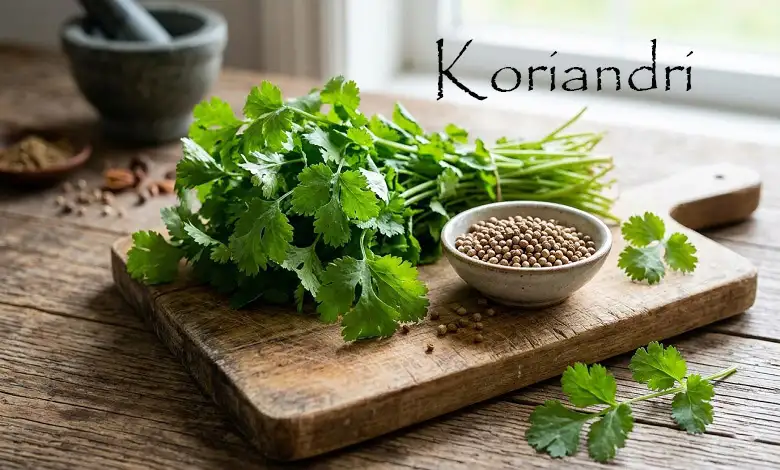
Koriandri is a term that may attract attention because of its connection to traditional language, culture, food, or natural ingredients. Depending on where the word is used, its meaning and significance can vary. Understanding the background of Koriandri can help explain why the term appears in different cultural and practical contexts.
This guide explores the possible meaning of Koriandri, its origins, common uses, and the benefits associated with it. Because terminology can differ between regions and languages, it is useful to consider the context in which Koriandri is being used.
Koriandri is a term that may be used as a variation or transliteration of words associated with coriander or related cultural terminology. In some contexts, similar spellings can develop because words are transliterated from one language or writing system into another.
The exact meaning of Koriandri therefore depends on its source and context. When researching the term, it is important to consider the language, region, spelling, and subject in which it appears.
The meaning of Koriandri is not necessarily identical in every context. Similar-looking words can have different meanings across languages and regions.
If Koriandri is being used in connection with coriander, it may refer to the herb or its seeds, which are widely used in cooking and traditional food practices. Coriander is known for its distinctive aroma and is an important ingredient in many cuisines.
However, the spelling Koriandri may also represent a transliterated or alternative form of another term. For that reason, the original source should be checked before assigning a specific definition.
The origins of Koriandri depend on the particular meaning intended by the writer or speaker. If the word is connected with coriander, its linguistic history can be traced through ancient terms used for the plant and its seeds.
Coriander has a long history of use across parts of Europe, Asia, North Africa, and the Middle East. Over time, the name for the plant developed into different forms in different languages. Transliteration between languages can also produce alternative spellings.
This helps explain why words resembling Koriandri may appear in different sources. Historical language development, regional pronunciation, and transliteration can all influence spelling.
When Koriandri is used to describe or represent coriander, its most familiar applications are related to cooking and food preparation.
1. Cooking
Coriander leaves are commonly used as a fresh herb. They can be added to curries, soups, salads, sauces, chutneys, and other dishes.
The leaves provide a fresh and distinctive flavour, while the seeds have a warmer, more aromatic character.
2. Spice Blends
Coriander seeds are widely used as a spice. They may be used whole, ground, or roasted before being added to recipes.
Ground coriander is also a common ingredient in spice blends and can contribute a mild, citrus-like and earthy flavour.
3. Garnishing
Fresh coriander leaves are often used as a garnish. A small amount can add colour, aroma, and freshness to a finished dish.
4. Traditional Food Practices
Coriander has been used traditionally in different food cultures for generations. Its seeds and leaves are incorporated into many regional recipes and culinary traditions.
5. Cultural and Linguistic Use
If Koriandri is being used as a transliterated term rather than specifically as the name of an ingredient, its use may depend on the language or cultural source where it appears.
If Koriandri refers to coriander, the plant provides several nutritional components. Fresh coriander leaves contain vitamins and minerals, while coriander seeds contain various plant compounds.
However, it is important to distinguish nutritional value from proven medical benefits. Traditional uses of an ingredient do not automatically establish that it can prevent or treat a disease.
Nutritional Value
Coriander can contribute small amounts of nutrients to the diet, particularly when consumed as part of a varied diet. Fresh leaves and dried seeds have different nutritional profiles.
Antioxidant Compounds
Coriander contains various plant compounds with antioxidant activity. These compounds help protect food and biological systems from oxidative processes.
Research into the potential health effects of coriander continues, but laboratory findings should not be treated as proof that eating coriander can treat a medical condition.
Fresh coriander can add considerable flavour and aroma to a dish without requiring large quantities. This makes it a useful ingredient for adding variety to everyday meals.
Culinary Versatility
One practical benefit of coriander is its versatility. Both the leaves and seeds can be incorporated into different recipes, although they provide distinctly different flavours.
Coriander has a long history in traditional food and herbal practices. Different cultures have used its seeds and leaves in various preparations.
Traditional use can provide useful historical information about how plants were incorporated into everyday life. Nevertheless, traditional practices should be distinguished from modern clinical evidence.
Anyone considering an herb for a specific health condition should rely on qualified medical advice rather than using it as a replacement for prescribed treatment.
One of the most important points when researching Koriandri is the spelling.
Koriandri may be an alternative spelling, transliteration, or context-specific term, while coriander is the standard English name for a widely used herb and spice.
If you encounter Koriandri online, check the surrounding text and original language. This can help determine whether the author is referring to coriander or using Koriandri for something else.
Because alternative spellings can create confusion, consider these points when researching the term:
- Check the original language.
- Look at alternative spellings.
- Identify the country or region where the term is used.
- Examine the context in which Koriandri appears.
- Compare the term with established dictionary or reference sources.
- Avoid assuming that two similarly spelled words have exactly the same meaning.
These steps can make online research more reliable, especially when dealing with transliterated words.
A. Koriandri may be an alternative or transliterated form associated with coriander in some contexts. Its exact meaning depends on the source, language, and context.
A. It can refer to coriander in some contexts, particularly where alternative transliteration or spelling is involved. However, check the exact source before assuming they are identical.
A. Coriander is commonly used as a fresh herb and as a spice. Its leaves, seeds, and ground seeds are used in many different cuisines.
A. If Koriandri refers to coriander, it contains nutrients and plant compounds that contribute to its nutritional profile. Claims about treating or preventing medical conditions should be supported by appropriate scientific evidence.
Koriandri: Meaning, Origins, Uses and Benefits is a topic where context matters. The term may represent an alternative spelling or transliteration connected with coriander, but its precise meaning should be confirmed from the original source.
When Koriandri refers to coriander, its most familiar uses are culinary. The leaves and seeds have been used in food traditions for centuries, while modern research continues to investigate the plant’s nutritional and biological properties.
For accurate research, always consider the original language, regional usage, and context before assigning a definite meaning to the word Koriandri.