
 By Bapi Mondal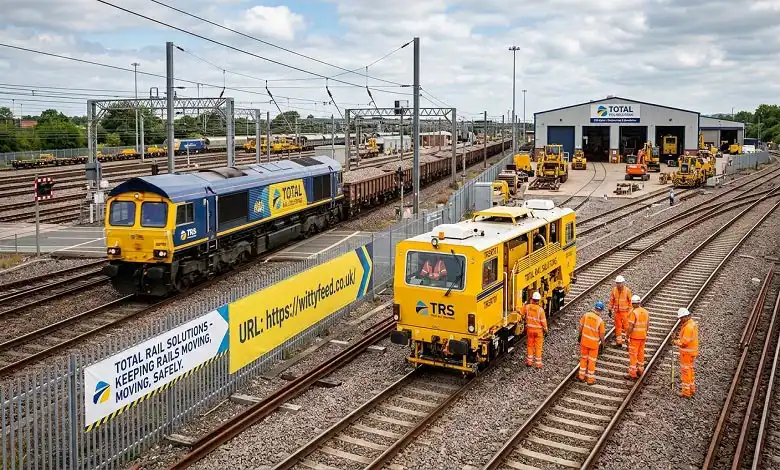
Railways remain one of the most reliable and efficient transportation systems in the world. Every day, millions of passengers travel by train, and countless tons of freight move across rail networks to support industries and economies. Behind these operations is a complex network of planning, maintenance, engineering, safety management, and skilled professionals. This is where Total Rail Solutions plays an essential role.
Total Rail Solutions refers to a comprehensive approach to railway services that covers every stage of rail infrastructure development and maintenance. Rather than focusing on a single service, total rail solutions integrate engineering, track maintenance, safety management, workforce support, project planning, inspections, and modern technologies to ensure railway networks operate safely and efficiently.
As railway systems continue to expand and adopt digital technologies, the demand for integrated rail services has never been greater. This guide explains what Total Rail Solutions means, the services involved, its benefits, challenges, industry trends, and why comprehensive railway support is vital for modern transportation.
Total Rail Solutions is a broad term used to describe a complete range of professional railway services designed to support every aspect of rail infrastructure and operations. Instead of hiring separate contractors for individual tasks, many railway operators choose integrated service providers capable of handling multiple responsibilities under one coordinated framework.
These services may include:
- Railway engineering
- Track construction
- Rail maintenance
- Infrastructure inspections
- Safety management
- Workforce supply
- Vegetation control
- Project management
- Signalling support
- Asset management
- Emergency response planning
By combining these services, railway operators can improve efficiency, reduce project delays, and maintain consistent quality standards across the entire rail network.
Today’s railway systems are far more advanced than they were decades ago. Growing passenger demand, increased freight transportation, stricter safety regulations, and the adoption of digital technologies have made railway management increasingly complex.
A complete rail service approach helps operators coordinate multiple activities efficiently while minimizing operational disruptions.
Modern railway projects often involve numerous specialists working simultaneously. Engineers, inspectors, maintenance crews, safety officers, signalling experts, and project managers must work together to complete projects safely and on schedule. Total Rail Solutions provides the coordination needed to keep these teams aligned.
Rail infrastructure forms the foundation of every rail network. Construction services include designing, building, upgrading, and expanding railway tracks and supporting structures.
Typical construction activities include:
- Track installation
- Ballast placement
- Sleeper installation
- Bridge construction
- Platform development
- Rail crossings
- Drainage systems
- Civil engineering works
Proper construction ensures long-term reliability while reducing future maintenance requirements.
Regular maintenance is essential for safe railway operations. Tracks experience continuous wear from heavy trains, changing weather, and constant vibration.
Routine maintenance typically includes:
- Rail grinding
- Track alignment
- Ballast cleaning
- Fastener replacement
- Sleeper repairs
- Drainage inspections
- Weld inspections
Preventive maintenance reduces unexpected failures and extends infrastructure lifespan.
Inspections identify defects before they become serious safety concerns.
Inspection teams may evaluate:
- Rail wear
- Cracks
- Switches
- Level crossings
- Bridges
- Tunnels
- Signals
- Electrical systems
Modern inspection methods often use drones, laser scanning, thermal imaging, and digital monitoring systems to improve accuracy.
Safety remains the highest priority throughout the railway industry.
A comprehensive safety program may include:
- Risk assessments
- Site safety planning
- Worker training
- Safety audits
- Incident reporting
- Emergency response planning
- Regulatory compliance
Strong safety management protects both railway workers and passengers.
Railway projects require highly trained personnel with specialized skills.
Workforce solutions often provide:
- Track workers
- Machine operators
- Engineers
- Safety coordinators
- Project managers
- Signal technicians
- Electrical specialists
- Supervisors
Having access to experienced professionals helps projects stay on schedule while meeting industry standards.
Technology continues to transform railway operations across the world.
Sensors installed along the railway infrastructure continuously monitor track conditions.
These systems detect:
- Temperature changes
- Track movement
- Structural stress
- Equipment failures
- Excessive vibration
Early detection allows maintenance teams to address problems before service disruptions occur.
AI-powered software helps railway operators analyze large volumes of operational data.
Applications include:
- Predictive maintenance
- Traffic optimization
- Equipment monitoring
- Safety analysis
- Asset management
Artificial intelligence improves operational efficiency while reducing maintenance costs.
Drone technology has become increasingly valuable for inspecting difficult-to-access locations.
Benefits include:
- Faster inspections
- Improved worker safety
- High-resolution imaging
- Lower inspection costs
- Reduced service interruptions
Modern railway organizations rely on digital platforms to monitor infrastructure performance.
Asset management software tracks:
- Maintenance history
- Equipment condition
- Inspection schedules
- Repair costs
- Lifecycle planning
This information supports better long-term investment decisions.
Integrated railway services eliminate communication gaps between multiple contractors.
Coordinated project management allows teams to complete work faster while reducing unnecessary delays.
Regular inspections, preventive maintenance, and professional safety management reduce accident risks throughout railway operations.
Safe infrastructure benefits passengers, railway employees, and surrounding communities.
Although comprehensive service providers may appear more expensive initially, integrated management often reduces long-term costs.
Savings result from:
- Fewer project delays
- Better planning
- Reduced equipment failures
- Lower maintenance expenses
- Improved resource utilization
Managing multiple contractors can be challenging.
Total Rail Solutions simplifies communication by centralizing project planning, scheduling, reporting, and quality control under one management system.
Railway regulations continue evolving across many countries.
Professional railway service providers help organizations comply with industry standards through regular documentation, inspections, audits, and staff training.
Many industries depend on reliable railway infrastructure.
Examples include:
- Passenger transportation
- Freight logistics
- Mining
- Manufacturing
- Agriculture
- Energy
- Construction
- Government transportation agencies
Reliable rail systems improve supply chains while supporting economic development.
Sustainability has become an important priority for railway organizations.
Many Total Rail Solutions providers support environmentally responsible practices through:
- Recycling construction materials
- Energy-efficient equipment
- Low-emission machinery
- Vegetation management
- Waste reduction
- Sustainable construction planning
Rail transport already produces lower emissions than many other transportation methods, making continuous environmental improvements especially valuable.
Despite technological advances, railway projects still face numerous challenges.
Aging Infrastructure: Many railway systems require modernization after decades of continuous use.
Budget Constraints: Large infrastructure projects require significant financial investment.
Skilled Workforce Shortages: Finding experienced railway professionals can be difficult in some regions.
Extreme Weather: Heavy rain, flooding, snow, and extreme temperatures affect railway infrastructure.
Increasing Passenger Demand: Growing urban populations place additional pressure on existing rail networks.
Integrated service providers help railway operators address these challenges through careful planning and proactive maintenance.
Selecting the right partner is essential for project success.
Consider the following factors:
Industry Experience: Choose providers with proven experience across multiple railway sectors.
Safety Record: Review safety certifications, incident history, and compliance standards.
Technical Expertise: Look for specialists in engineering, inspections, maintenance, signalling, and project management.
Modern Equipment: Advanced machinery and digital technologies improve project quality and efficiency.
Workforce Capability: A skilled workforce ensures projects are completed safely and professionally.
Customer Support: Reliable communication and responsive project management contribute to successful long-term partnerships.
Railway services continue evolving through innovation and digital transformation.
Future developments may include:
- Artificial intelligence-driven maintenance
- Autonomous inspection vehicles
- Smart railway sensors
- Digital twins for infrastructure management
- Internet of Things (IoT) monitoring
- Predictive analytics
- Cloud-based asset management
- Advanced robotics
- Sustainable construction materials
- Carbon-neutral railway operations
These technologies will further improve railway safety, efficiency, and environmental performance.
Organizations can maximize project success by following several proven practices.
Begin with comprehensive planning before construction starts. Perform regular inspections throughout the project lifecycle and prioritize preventive maintenance instead of waiting for failures. Invest in employee training, maintain accurate documentation, adopt digital technologies where appropriate, and encourage collaboration among engineering, safety, and operations teams.
Continuous improvement helps railway organizations deliver safer, more reliable, and cost-effective transportation services.
Railways remain one of the world’s most important transportation systems. As infrastructure becomes more sophisticated and passenger expectations continue rising, operators require comprehensive support that extends beyond basic maintenance.
Total Rail Solutions provides this integrated approach by combining engineering, construction, inspections, workforce management, safety programs, and digital technologies into one coordinated service model. This not only improves operational efficiency but also enhances safety, extends infrastructure life, and supports sustainable growth.
Whether developing new railway lines or maintaining existing networks, comprehensive railway services help ensure projects are completed on time, within budget, and according to the highest industry standards.
Total Rail Solutions represents the future of modern railway management by bringing together every essential service required to build, maintain, and operate safe, efficient, and reliable rail networks. From infrastructure construction and routine maintenance to digital asset management and advanced safety systems, this integrated approach helps railway operators overcome complex operational challenges while delivering better outcomes.
As the global transportation industry continues to embrace innovation, sustainability, and smarter infrastructure, the importance of Total Rail Solutions will only continue to grow. Organizations that invest in comprehensive railway services are better positioned to improve efficiency, reduce long-term costs, enhance passenger safety, and build resilient rail networks capable of meeting future transportation demands.
A. Total Rail Solutions are comprehensive railway service covering construction, maintenance, engineering, inspections, safety, and project management.
A. They improve railway safety, operational efficiency, infrastructure reliability, and long-term cost savings.
A. Services include track maintenance, railway construction, inspections, signalling support, workforce supply, safety management, and asset management.
A. Passenger rail, freight transport, mining, construction, logistics, manufacturing, and government transportation agencies all benefit from these services.
A. Technologies such as AI, IoT sensors, drones, digital asset management, and predictive maintenance help enhance railway safety, monitoring, and efficiency.