
 By Bapi Mondal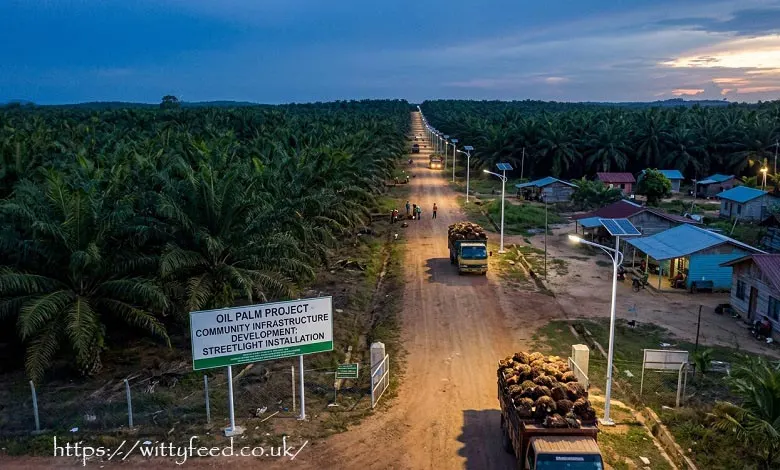
The concept of an oil palm lamp project existing is closely linked to sustainable energy practices in agricultural regions. In areas where oil palm cultivation is widespread, large quantities of biomass waste and organic by-products are generated. Instead of discarding these materials, several projects have explored ways to convert them into usable energy—particularly for lighting purposes.
At the same time, the idea of an oil palm project involving streetlights has emerged as a practical solution for improving infrastructure in plantation zones and rural communities. These projects combine renewable energy systems, such as solar and biomass, to provide reliable lighting in areas with limited grid access.
An oil palm lamp project typically involves using materials derived from oil palm cultivation to produce light. These materials include:
- Palm kernel shells
- Empty fruit bunches
- Palm fibres
- Crude palm oil
These resources can be used in two main ways:
Oil palm waste is processed and used as fuel in simple lamps or small-scale energy systems. This approach is common in rural or off-grid communities where access to electricity is limited.
In some cases, refined palm oil is used as a fuel source in specially designed lamps. These lamps function similarly to traditional oil lamps but rely on renewable agricultural output.
Oil palm cultivation produces significant amounts of organic waste. Without proper management, this waste can:
- Contribute to environmental pollution
- Release greenhouse gases
- Create disposal challenges for plantations
At the same time, many oil palm-growing regions face:
- Limited electricity infrastructure
- High cost of extending power grids
- Dependence on diesel generators
The oil palm lamp project existing model addresses both issues by:
- Converting waste into energy
- Providing low-cost lighting
- Supporting sustainable rural development
Several small-scale projects have been implemented in rural communities where oil palm waste is readily available.
Key Features:
- Locally built lamp systems
- Use of dried palm waste as fuel
- Minimal technological requirements
- Low production and maintenance costs
These projects are often community-driven and designed to meet basic lighting needs, such as:
- Household lighting
- Small business use
- Outdoor illumination
In larger oil palm plantations, lighting systems are installed to support operations. These systems may include:
- Pathway lighting
- Worker safety lighting
- Storage area illumination
In some cases, biomass from the plantation is used to generate electricity that powers these lights.
A more advanced application is the oil palm project involving streetlights, which focuses on lighting roads and operational areas within plantations.
Street lighting in oil palm regions serves several purposes:
- Ensuring safe transportation of harvested crops
- Reducing accidents during night operations
- Enhancing security in remote areas
- Supporting extended working hours
Solar-powered streetlights are the most widely used solution in oil palm regions.
Components:
- Solar panels
- Rechargeable batteries
- LED lamps
- Automatic controllers
During the day, solar panels store energy in batteries, which is then used to power lights at night.
In some projects, oil palm waste is used to generate electricity through biomass energy systems.
Process:
- Waste is collected and processed
- Biomass is burned or converted into biofuel
- Energy is used to power lighting systems
This method is useful in areas with high waste availability and limited sunlight.
Hybrid systems combine multiple energy sources, such as:
- Solar energy
- Biomass energy
- Backup battery systems
These systems improve reliability by ensuring continuous lighting even when one energy source is unavailable.
Oil palm environments present unique challenges for solar lighting systems:
- Dust accumulation
- Oil residue from plantations
- High humidity levels
To address these issues, some projects use self-cleaning solar streetlights.
Key Features:
- Automatic cleaning mechanisms
- Dust-resistant panel coatings
- Improved energy efficiency
These systems reduce maintenance requirements and ensure consistent performance.
Oil palm waste is converted into useful energy instead of being discarded. This reduces environmental impact and supports circular resource use.
Many oil palm-growing regions lack reliable electricity. Lighting projects provide:
- Access to basic energy services
- Reduced dependence on fossil fuels
- Better quality of life
Compared to traditional lighting systems:
- Lower operational costs
- Reduced fuel expenses
- Minimal maintenance in advanced systems
Oil palm lighting projects contribute to:
- Reduced carbon emissions
- Lower reliance on diesel generators
- Increased use of renewable energy
Street lighting improves:
- Visibility in plantation areas
- Worker safety during night shifts
- Efficiency in harvesting and transport
Oil palm plantations can affect lighting systems due to:
- Dust and debris
- Moisture and humidity
- Organic residues
These factors reduce efficiency, especially for solar panels.
Without proper systems:
- Panels require regular cleaning
- Batteries need replacement
- Lighting performance may decline
Simple oil palm lamps:
- Provide low-intensity lighting
- Are not suitable for large-scale applications
Advanced systems such as hybrid or self-cleaning streetlights require:
- Higher upfront costs
- Technical expertise for installation
The oil palm project involving streetlights plays an important role in rural and agricultural development.
- Safer public spaces
- Increased community activity at night
- Better access to education and services
- Lower energy costs for plantations
- Improved logistics and operations
- Job creation in installation and maintenance
Oil palm lighting initiatives are found in regions where palm cultivation is extensive, including:
- Southeast Asia (Indonesia, Malaysia)
- Africa (Nigeria, Ghana)
- South Asia (India)
In these regions, projects focus on:
- Renewable energy adoption
- Waste management solutions
- Infrastructure development
The future of oil palm lamp project existing models and oil palm streetlight systems is expected to evolve with technology.
Key Developments:
1. Smart Lighting Systems
Integration of sensors and automation for efficient energy use.
2. IoT-Based Monitoring
Remote monitoring of lighting performance and maintenance needs.
3. Improved Biomass Conversion
More efficient methods of converting palm waste into energy.
4. Expansion of Hybrid Systems
Combining multiple renewable energy sources for reliability.
- Oil palm lamp projects use waste or oil from palm cultivation to produce lighting
- Existing projects range from simple biomass lamps to advanced streetlight systems
- Oil palm streetlight projects improve safety, infrastructure, and productivity
- Solar and hybrid systems are the most common solutions
- Challenges include maintenance, environmental conditions, and cost
- These projects support sustainable energy and rural development
The oil palm lamp project existing concept and oil palm project involving streetlights highlight how agricultural resources can be used for practical energy solutions. By converting waste into usable energy and integrating renewable technologies, these projects address both environmental and infrastructure challenges.
From small community lamps to large-scale streetlight systems, oil palm-based lighting continues to develop as part of broader efforts toward sustainability and rural electrification.